KCAI REIMAGINED
A series of custom tables translating architectural patterning into furniture design.
EMBRACE INSTALLATION
A series of custom tables translating architectural patterning into furniture design.
STORAGE WALL
A modular storage system designed for scalable production and flexible organization.
POLSENELLI DALLAS
A series of custom tables translating architectural patterning into furniture design.
HUFFT SHELVING
A sheet metal shelving system designed for modular expansion.
JETT CREDENZA
A custom walnut credenza designed and fabricated for a private client.
XYZ
A set of stools inspired by the 3D planes that guide us in physical and digital design.
TORII
A furniture set exploring the relationship between maker and material.
EUPHORIA
A bar stool exploring how emotion can shape furniture form.
CTR
A hand tool redesigned with the challenge of putting accessibility first.
Sollicitudin
KCAI Reimagined | Spring '25 - Spring '26
ROLE(S)
Designer | Drafter | Project Manager
MATERIALS
3/4" MDF
3/4" Plywood
1" Poplar
1/8" Aluminum Angle
PROCESSES
3D Modeling
3D Printing
CNC Milling
Traditional Metalworking
KCAI Reimagined is a campus-wide wayfinding and experience design initiative for the Kansas City Art Institute, developed to create a more legible, inclusive, and cohesive navigation system across the institution. The project integrates tactile guidance, directional textures, and clear visual language aligned with KCAI’s identity, supporting navigation for a wide range of users while strengthening the overall campus experience.Serving as project manager and lead designer, I worked in close collaboration with institutional leadership, designers at Hufft, BNIM, and The Lamar Johnson Collaborative, as well as fabrication partners including Dimensional Innovations, Fab Plus, and local craftspeople. This role required coordinating across disciplines, translating conceptual design into buildable systems, and managing the integration of accessibility, materiality, and fabrication at a campus scale.The result is a flexible, multisensory wayfinding framework that bridges digital and physical environments—establishing a foundation for future growth while reinforcing KCAI’s commitment to accessibility, creativity, and community.This project was developed through Northstar, a studio I founded focused on multisensory design, accessibility, and narrative-driven wayfinding systems.
Embrace Benches | Fall '25
ROLE(S)
Designer | Drafter
MATERIALS
4/4" Treated Cambia Ash
3/16" Steel
PROCESSES
Furniture Design
3D Modeling
CNC Milling
Traditional Woodworking
Traditional Metalworking
Landscape Architectural Coordination
A series of curved benches that line the interior of the sculpture, creating seating within the circular gathering space formed by the structure’s embracing arms. The benches were designed with weathering steel bodies and CNC-cut wood slat seating to balance durability with warmth in an outdoor environment.I developed the digital models and fabrication files for both the steel bench structures and the wood slat seats. The 3/16" weathering steel bench bodies were laser cut and assembled through welded construction, while the wood seating components were CNC machined for consistent production.The design process involved close collaboration with the fabrication team to determine the most effective construction strategy and hardware solutions. I also worked with a computational designer to refine the slat dimensions so the bench geometry could be achieved through a single repeatable slat profile. The resulting fabrication files translated smoothly to production, with the metal fabricator noting that the benches were straightforward and enjoyable to assemble from the provided drawings.
Embrace Fireplace | Fall '25
ROLE(S)
Designer | Drafter
MATERIALS
1/4" A588 Weathering Steel
PROCESSES
3D Modeling
Laser Cutting
Traditional Metalworking
Landscape Architectural Coordination
As part of the Embrace sculpture installation, I was responsible for designing and modeling the central 16-foot outdoor fireplace constructed from 1/4" weathering steel. The fireplace sits at the center of the 100-foot long sculpture and required careful consideration of fabrication logistics, transportation, and on-site assembly.The initial design explored a modular construction strategy that would allow the fireplace to be fabricated in three welded sections off site and transported to the site for final assembly. This approach ensured the structure could be installed efficiently while maintaining structural integrity and clean exterior seams. During the fabrication planning process, the client’s metal workers confirmed access to steel sheets large enough to laser cut the fireplace faces as single pieces, allowing the design to be simplified, reducing the number of welded seams required, and removing the need to transport across states.The project required developing detailed shop drawings with welding callouts and researching Arkansas building codes for outdoor fireplaces to ensure proper safety mesh and construction requirements were met. Through this process, the fireplace design balanced fabrication feasibility, transportation constraints, and architectural intent within the larger sculptural installation.
Storage Wall | Spring '25 - 26'
ROLE(S)
Designer | Drafter | Fabricator
MATERIALS
3/4" Maple Shop Plywood
.1" Aluminum
Anodized Aluminum
PROCESSES
Concept Development
System Design
Accessory Ideation
3D Modeling
CNC Milling
Press Brake Forming
Prototyping
A modular storage wall system designed for scalable production and flexible organization.The Storage Wall System explores a modular approach to wall-mounted organization built around simplicity, flexibility, and accessible production methods. The system replaces traditional slat wall construction with CNC-milled sheet panels that serve as a flexible base for a range of accessories. By combining a consistent mounting grid with a small family of adaptable components, the design creates a foundation that can evolve to meet different storage needs while remaining efficient to manufacture.
Panel System
The foundation of the system are CNC-milled sheet panels that establish a consistent mounting grid for accessories. In the prototype stage the panels are fabricated from maple shop plywood, chosen for its accessibility and ease of machining during development. The system is intentionally designed around sheet materials so the base panel can adapt to different environments and aesthetic requirements, such as walnut veneer panels for residential applications or lab-grade laminate panels for educational and commercial spaces. By relying on standardized sheet stock and modular panel sizing, the system can scale horizontally or vertically while remaining efficient to fabricate and install.
Mounting Hardware
The interface between the panel grid and accessory components is created through a set of anodized aluminum mounting barrels with internal threading. These barrels serve as the structural connection point for all accessories while also functioning as adjustable pegs or anchors depending on the configuration. While the components themselves are precisely engineered, the goal of the system is to create a simple and intuitive user experience—allowing accessories to be mounted, repositioned, or expanded with minimal effort. This shared hardware interface establishes a universal connection logic across the system and enables new accessories to be developed without altering the underlying wall structure.
Accessory System
Accessories were intentionally reduced to a small set of adaptable components organized around three primary storage functions: shelves, hooks/pegs, and rails. Each accessory was designed to maximize what could be achieved through simple fabrication methods such as sheet metal bending and laser cutting. By focusing on a limited number of versatile components, the system provides solutions for a wide range of storage scenarios while maintaining a cohesive design language.
SHELVES
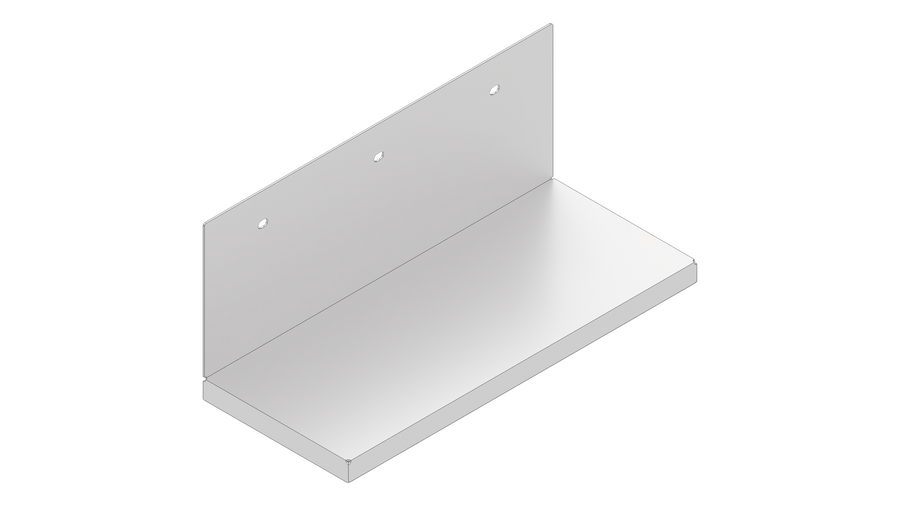
Shelf 01 - A standard shelf for multipurpose storage.
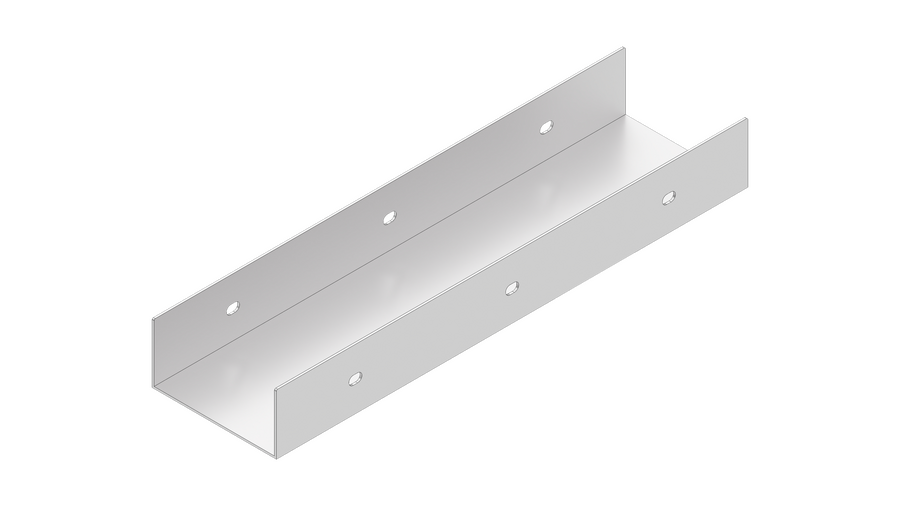
Channel - A U-channel shelf for storing/grouping smaller objects.
RAILS
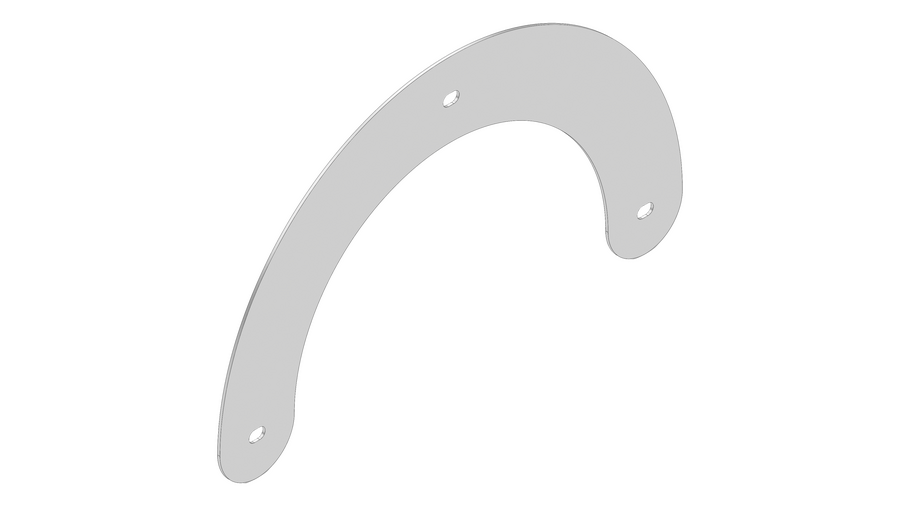
Arc Rail - A semi-circle rail paired with 3 moungting barrels for organizing cords.
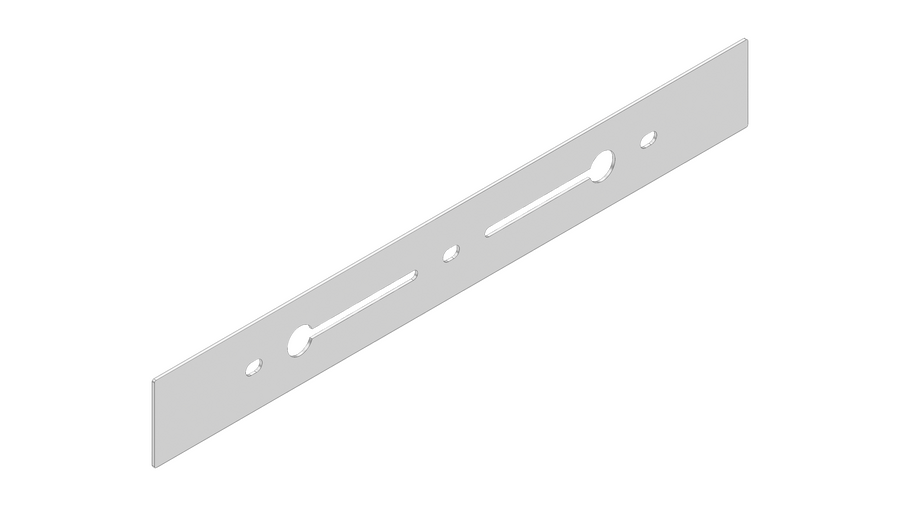
Sliding Rail - A rail with central cut outs for placing mounting barrels.
PEGS
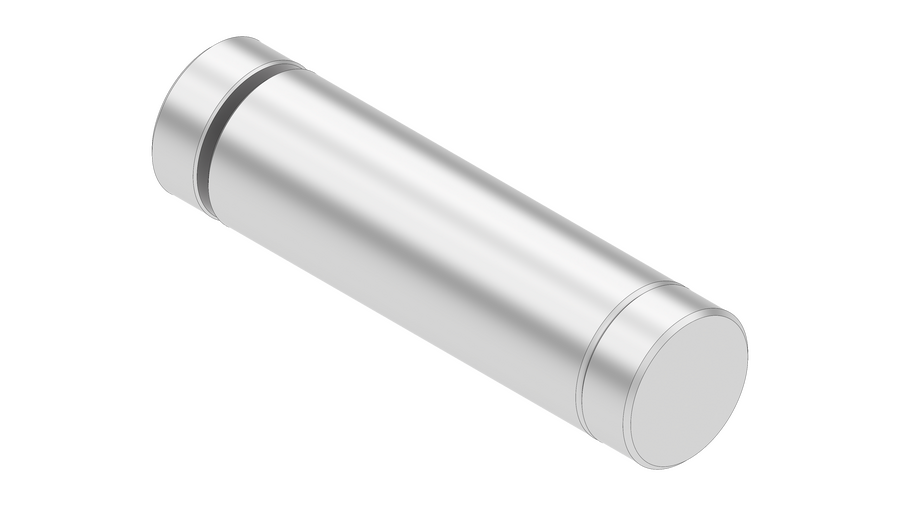
Mounting Barrel - A standard mounting barrel to hang objects on.
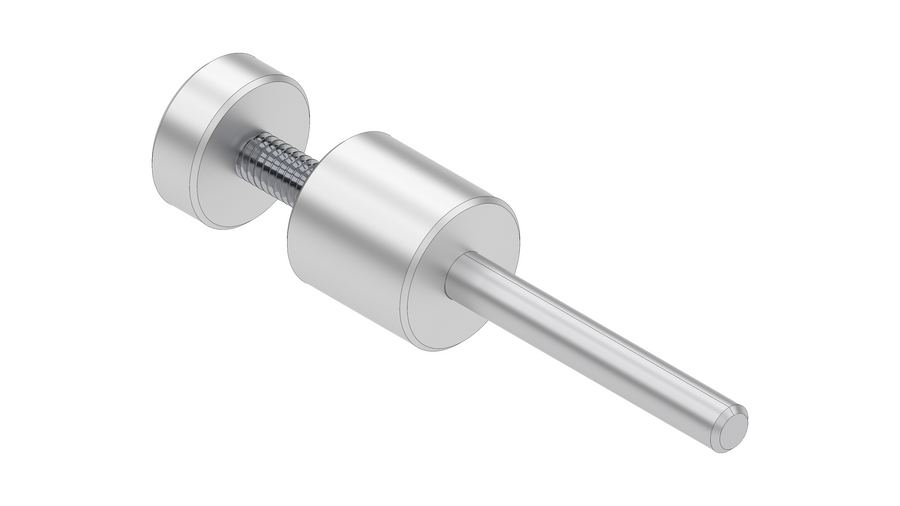
Peg + Barrel - A barrel & a screw on peg for hanging items with small hole sizes.
Application
The modular nature of the system allows it to adapt to a variety of environments, from workshops and tool storage to residential or office organization. Because accessories can be rearranged or expanded over time, the system encourages users to customize their storage based on evolving needs rather than relying on a fixed configuration.
Polsenelli Dallas | Winter '24 - 25'
ROLE(S)
Designer | Drafter
MATERIALS
6/4" Solid Walnut
Brushed Steel Tubing
16 GA. Brushed Steel Plates
PROCESSES
Furniture Design
3D Modeling
CNC Milling
Architectural Coordination
Traditional Woodworking
Traditional Metalworking
This project involved the design and documentation of custom furniture for Dallas law firm, Polsenelli, in collaboration with the interior design team at Hufft. My role focused on developing the designs and producing shop drawings for a series of coffee tables, side tables, and café tables intended for the space. The primary inspiration for the furniture came from guilloche patterning used throughout the architecture, particularly within the ceiling features and wall panels. This motif informed the diamond-shaped tops of the side tables, designed to appear as though the forms had fallen from the ceiling pattern. The same visual language was translated more subtly into the larger coffee tables through light surface engraving, creating a cohesive relationship between the furniture and the surrounding interior environment.
Shelving | Fall '24
ROLE(S)
Designer | Drafter
MATERIALS
16 GA. Hot Rolled Steel Sheet
16 GA. Hot Rolled Steel Square Tube
PROCESSES
System Development
3D Modeling
Press Brake Forming
Traditional Metalworking
Electrical Integration
This shelving system explores modular storage through a fabrication-to-length approach. The design features folded sheet metal shelves supported by a square tube steel frame, allowing the system to expand horizontally or vertically depending on wall dimensions and user preference. Integrated lighting within the shelves provides both functional illumination and visual emphasis for displayed objects. The result is a flexible system that can be scaled and arranged to accommodate a variety of storage needs while maintaining a clean, structural aesthetic.
Credenza | Summer '24
ROLE(S)
Designer | Drafter
MATERIALS
1/4" Richlite
6/4" Black Walnut
3/4" Walnut Veneer Panels
PROCESSES
Custom Hardware Design
CNC Milling
Traditional Woodworking
The Jett Credenza is a custom storage piece designed and fabricated for a private office space. The structure features a solid walnut base and legs supporting veneered walnut cabinetry, balancing the strength of solid wood construction with the efficiency of panel fabrication. Custom solid walnut handles were designed specifically for the piece to complement the clean geometry of the casework. The credenza is finished with Black Diamond Richlite feet, providing a durable surface that protects flooring and allows the piece to sit easily on both hard surfaces and carpet. The final piece was successfully fabricated and delivered as a functional and refined addition to the client’s workspace.
TORII Furniture | Spring '24
ROLE(S)
Designer | Drafter | Fabricator
MATERIALS
8/4" Black Walnut
8/4" Live Edge Black Walnut
PROCESSES
Concept Development
CNC Milling
Traditional Woodworking
Finishing
Torii is a furniture set consisting of a coffee table and stool inspired by themes of spirituality and enlightenment found in Japanese Buddhist and Zen traditions. Early in the project I encountered the metaphor of a monkey reaching for the moon—an allegory for the clinging spirit searching for enlightenment while failing to recognize the need to let go. This idea became a framework for my own design process, where success required adaptability rather than rigid adherence to an initial plan. During fabrication I began to embrace the philosophy often shared by woodworkers that “the wood will speak to you", allowing the material to guide adjustments in form and construction. The final pieces reflect a balance between intention and responsiveness, emphasizing the relationship between maker, material, and process.
EUPHORIA Stool | Spring '23
ROLE(S)
Designer | Drafter | Fabricator
MATERIALS
Cardboard
1/2" Baltic Birch Plywood
PROCESSES
Parti Sketching
3D Modeling
CNC Milling
Traditional Woodworking
Euphoria is a bar stool designed in response to a prompt that challenged the use of a single word as the sole source of inspiration. Early parti sketches explored expressive, grandiose forms that evoked the visual language of 1920s Art Deco. Further research into the architecture, ornamentation, and social atmosphere of the Roaring Twenties suggested the bar stool as an ideal object to embody the celebratory spirit associated with euphoria. The final design features sculptural legs that curve upward like hands lifting and supporting the seated user, reinforcing the sense of elevation and reverence suggested by the concept. A prototype was fabricated from 1/2" Baltic birch plywood and incorporates subtle under-seat lighting to amplify the dramatic presence of the form.
CTR | Fall '22
ROLE(S)
Designer | Drafter | Fabricator
MATERIALS
PLA
Steel
HD Foam
Various Hardware
1" Honey Locust Solid Wood
PROCESSES
Concept Sketching
Ergonomic Prototyping
3D Printing
CNC Milling
Blade Fabrication
Assembly
CTR is a rotary cutting tool designed to create a more accessible experience for users with limited wrist mobility, reduced grip strength, or other physical constraints. The handle geometry reimagines the traditional rotary cutter by drawing inspiration from the push–pull motion of a hacksaw, allowing the cutting force to be generated through the arm rather than the wrist. Prototypes were developed through iterative testing using varying densities of foam and 3D-printed PLA handles to refine ergonomics and grip comfort. The final prototypes feature water-jet-cut steel blades that were hand sharpened and assembled into fully functional tools. The project later attracted the attention of a local pizza company, who commissioned a run of the cutters as custom client gifts—marking my first professional client engagement.
XYZ Stools | Summer '24
ROLE(S)
Designer & Drafter
MATERIALS
3/4" Baltic Birch Plywood
PROCESSES
CNC Milling
Traditional Woodworking
The XYZ Stools were developed during my internship at Hufft as a collaborative exploration of material efficiency and geometric design. Inspired by NASA’s emphasis on performance-driven engineering, the team investigated seating that could be fabricated from a single sheet of birch plywood. The concept ultimately evolved around three-dimensional space, with a set of three stools expressing the X, Y, and Z axes through the configuration of their legs.A key feature called “The Valley” introduced intentional gaps between the legs, reducing material use while creating visual depth and lightness. Directional hatch patterns aligned with each spatial plane further enhanced the design while reducing weight and subtly referencing Hufft’s graphic language. Designed for under-desk storage and spontaneous collaboration within the studio, the stools demonstrate how thoughtful geometry and fabrication strategies can maximize material efficiency.
ABOUT
Designer and fabricator exploring the intersection of digital fabrication, material craft, and human-centered design.
Aaron McIntosh is a designer and fabricator interested in the space between ideas and the physical objects that bring them to life. His work often explores the intersection of digital fabrication and traditional craft, where precision tools meet material intuition and design thinking is tested through making. Across furniture, tools, and modular systems, he is drawn to projects that ask thoughtful questions about how people interact with objects and environments.Aaron's path into design began with an early interest in architecture and the built environment, which eventually led him to study Product Design at the Kansas City Art Institute. While in the program, he became increasingly interested in how design moves from concept into fabrication—learning to work across digital tools like CNC machining and 3D printing alongside more traditional processes such as woodworking, metal fabrication, and ceramic casting.That curiosity ultimately brought him back toward architecture through an internship and later employment with Hufft, where he worked closely with interior and fabrication teams to design and draft custom furniture and architectural elements. This experience reinforced Aaron's interest in projects that live between disciplines—where spatial thinking, fabrication knowledge, and product design all overlap.Alongside his academic work, Aaron also pursued a long-term independent project to reimagine the future of wayfinding at KCAI. What began as a self-initiated design proposal evolved over four semesters of research and development before becoming an official collaboration with the institution. Aaron was later hired by the college to design the next generation of its campus wayfinding system, an experience that strengthened his interest in design entrepreneurship and pursuing opportunities through initiative and persistence.Today, his work continues to explore the relationship between design thinking and physical making. Whether developing accessible tools, modular systems, or custom furniture, he approaches each project with curiosity, a willingness to learn, and a belief that the making process itself is often where the most meaningful design decisions emerge.